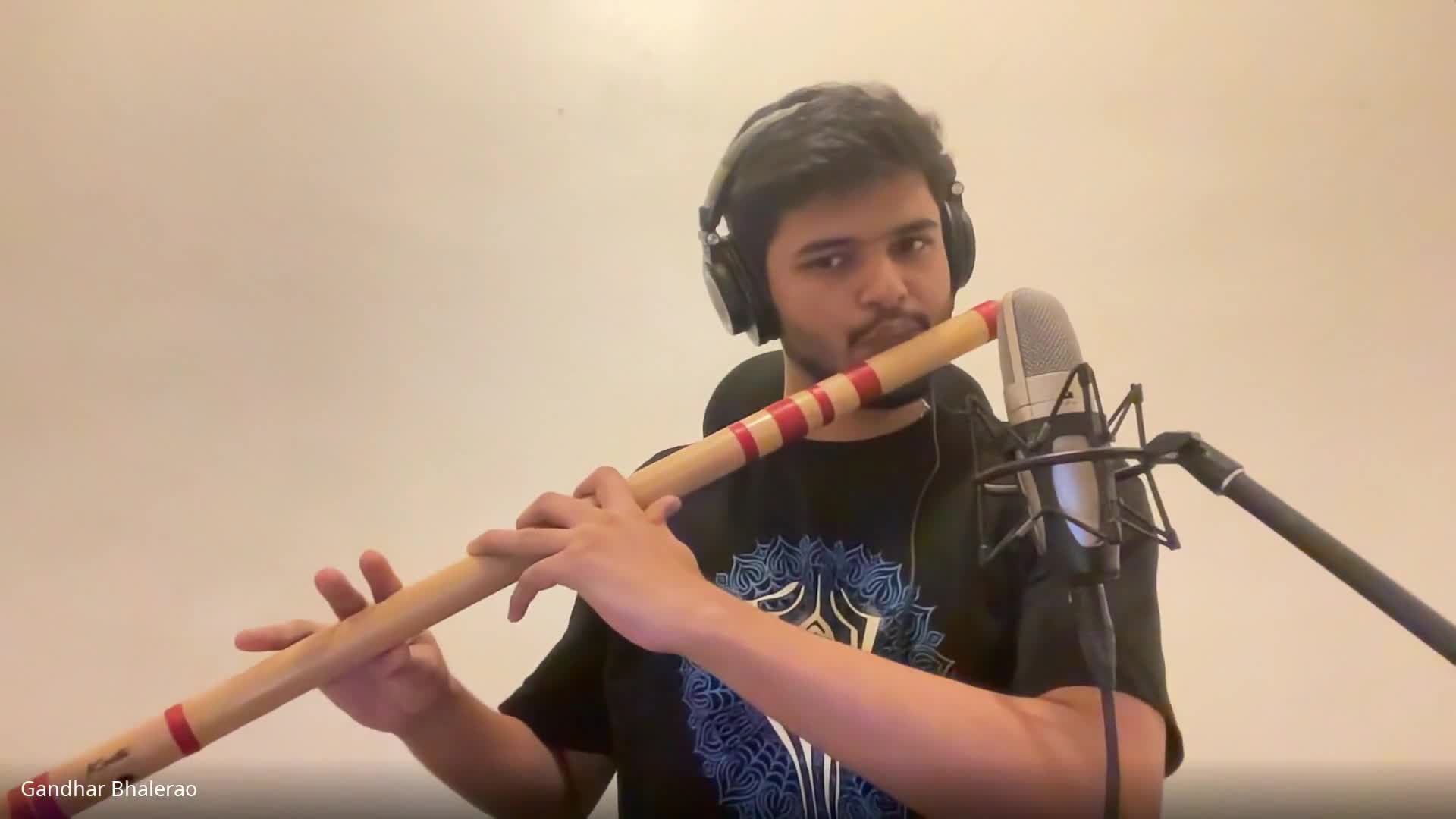
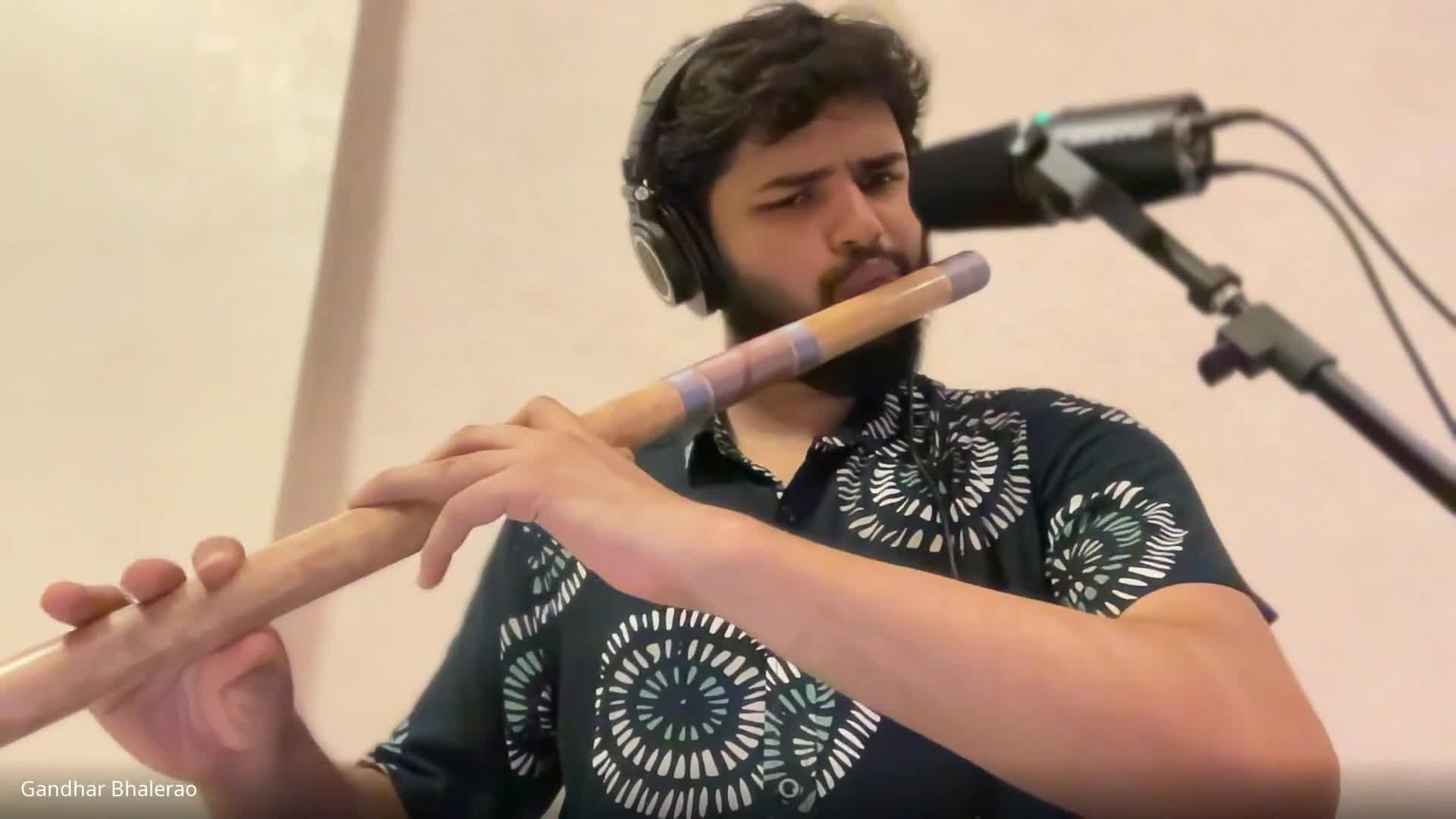
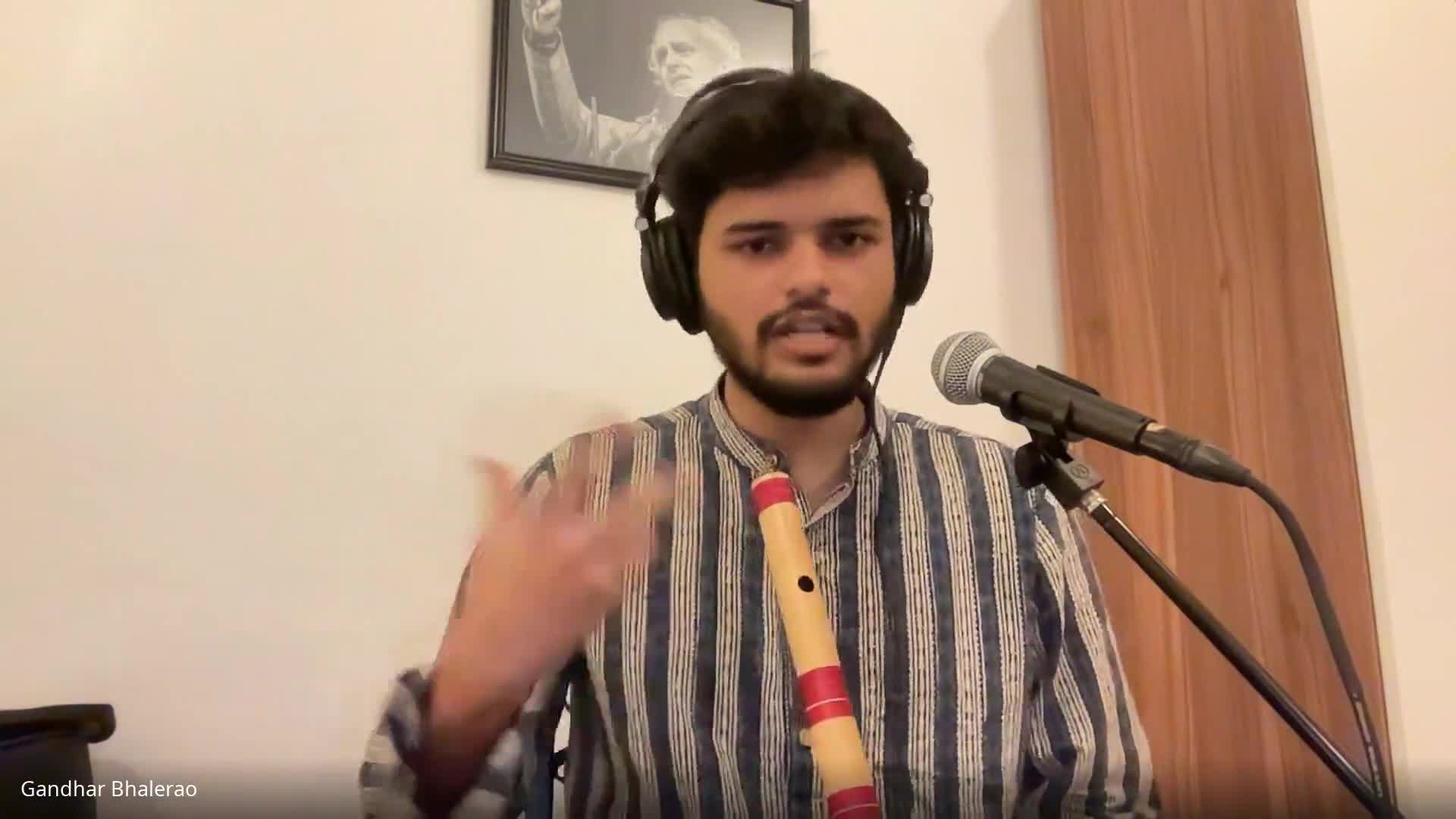
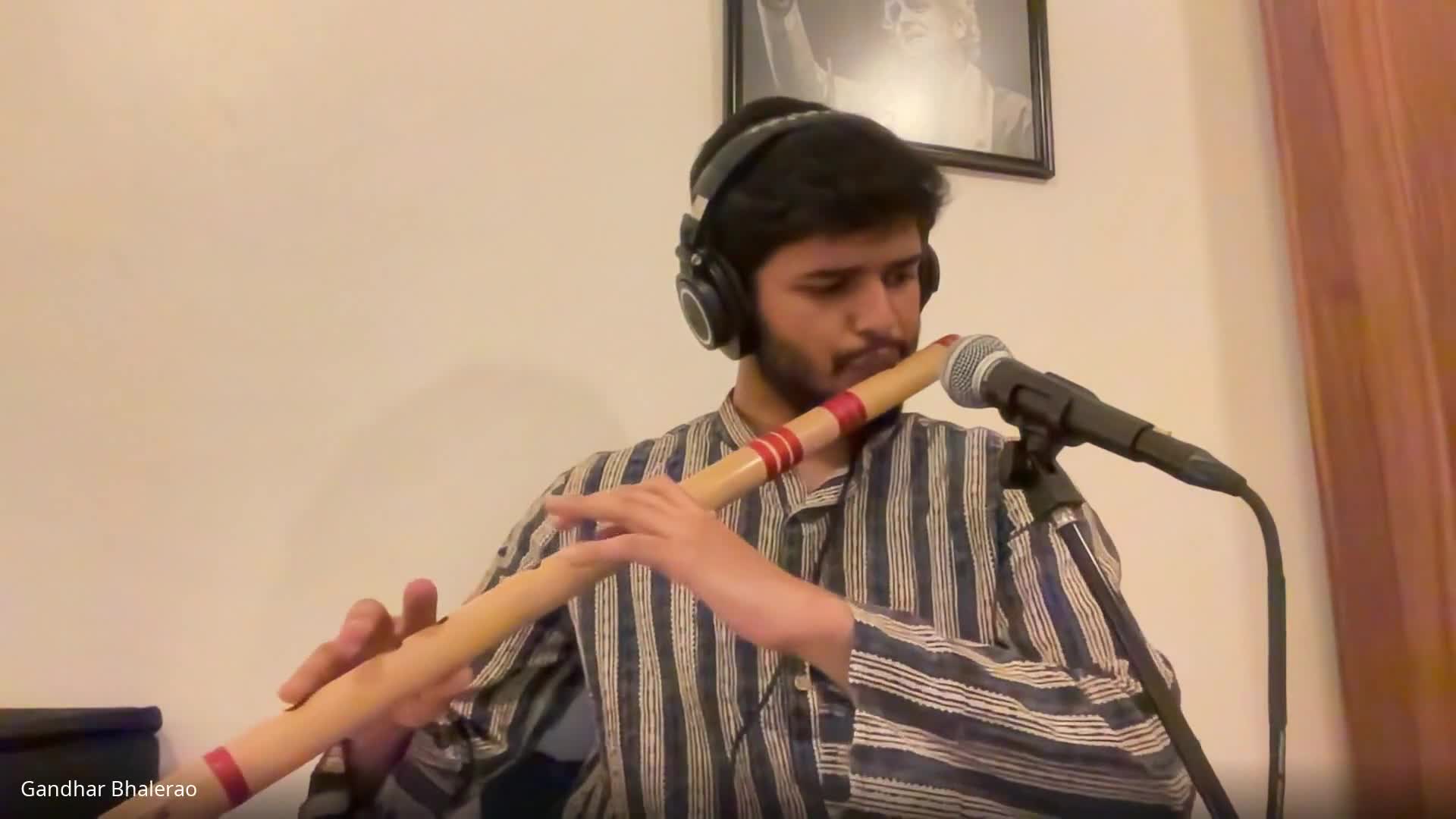
Raag Bhairavi
Key points covered:
The raag's foundation: Bhairavi is traditionally built entirely on komal (flat) swaras — that's its classical signature.
The modern twist: Contemporary practice adds shuddha Re (the natural, un-flatted Re), a note that technically breaks the "all-flat" rule but has become essential to the raag's modern sound.
Rules for using the two Res:
Shuddha Re → used during elaboration/improvisation (like unfolding a phrase or "storytelling")
Komal Re → used to resolve/conclude phrases (bringing the point home)
Historical shift: Older Bhairavi performances left shuddha Re out entirely. Today it's so embedded that overusing it can tip the piece into a different raag variant altogether.
The emotional core: Bhairavi's mood is centered on surrender — the player is meant to feel this internally before even playing.
Physical technique tied to that emotion:
Blow softer on flat-note (komal) passages to get the raag's characteristic breathy/"hissing" tone.
Slightly rotate/turn the flute inward while playing — subtly changes tone color and clarity (the instrument is very sensitive to breath angle).
Repetitive practice patterns train the fingers/embouchure to relax, avoiding excess pressure — physical looseness mirroring the emotional "surrender."
The teaching method: The source lays out a custom practice exercise — the first line follows a traditional melodic shape, but from the second line onward, it's a custom composition specifically designed to force repeated alternation between shuddha Re and komal Re (the hardest technical challenge in the raag).
Closing takeaway: The hosts frame this as a broader lesson — traditions evolve through exceptions, and deliberate physical/muscle-memory practice bridges theory and mastery, a principle they suggest applies well beyond music.