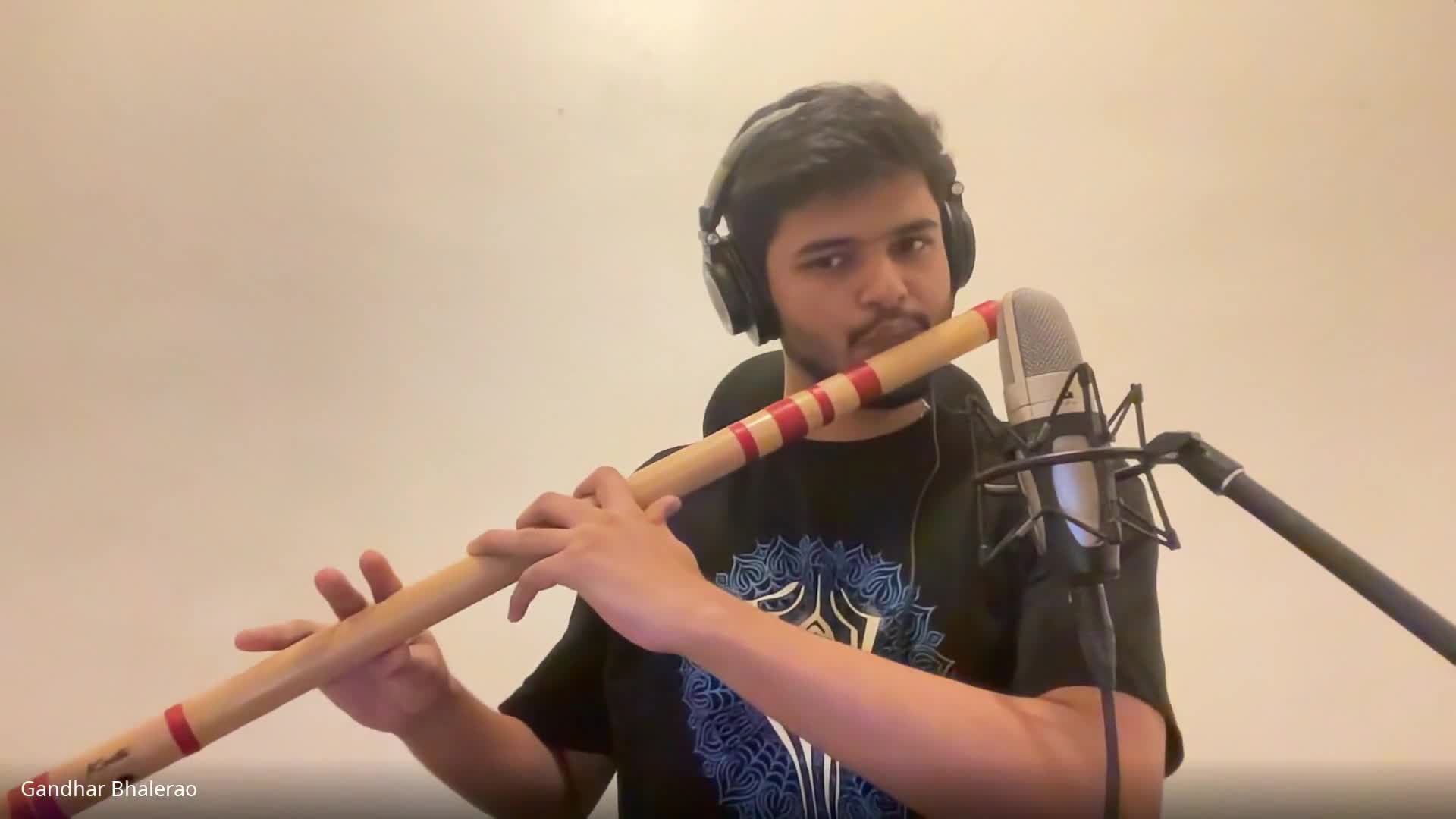
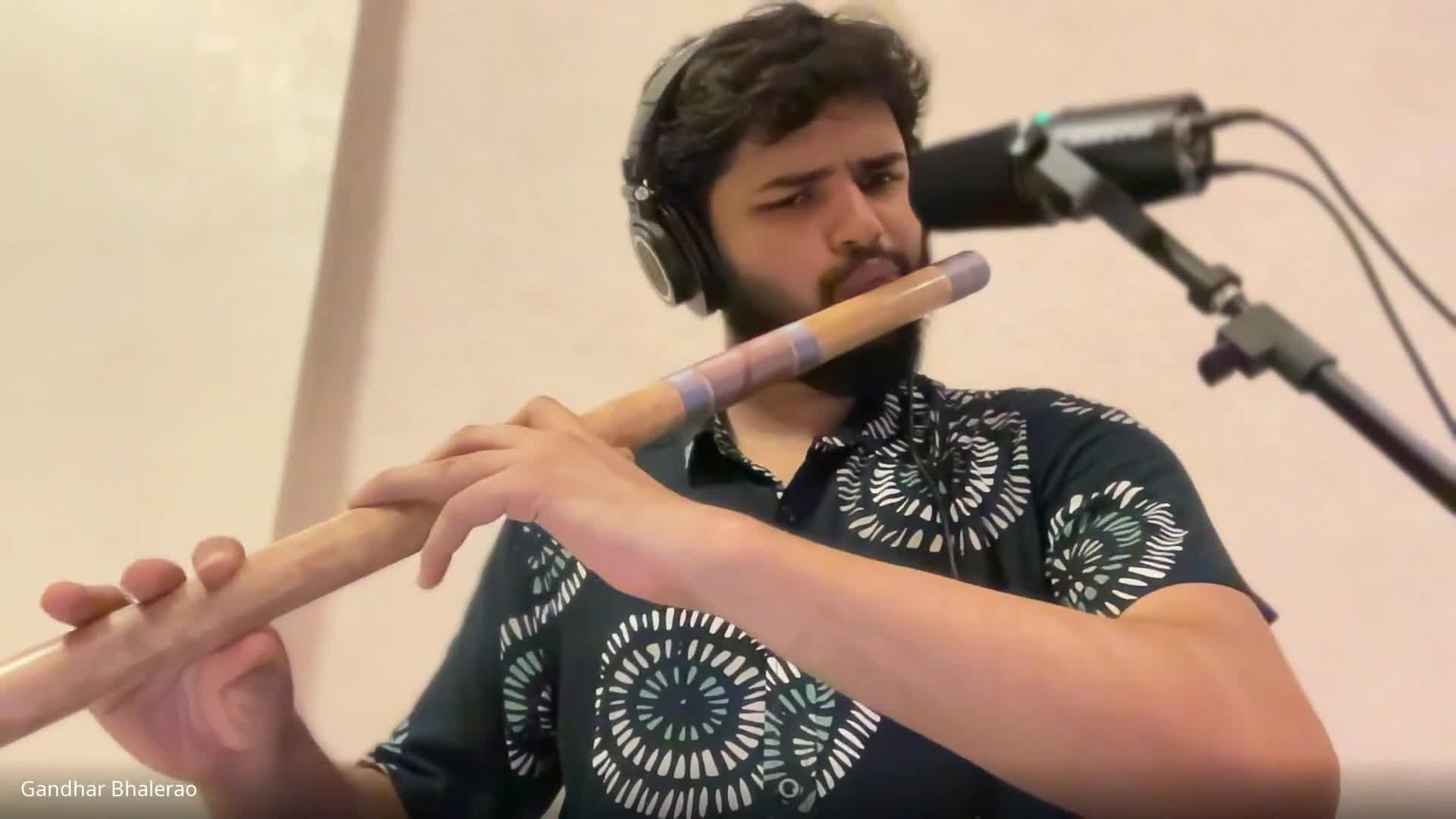
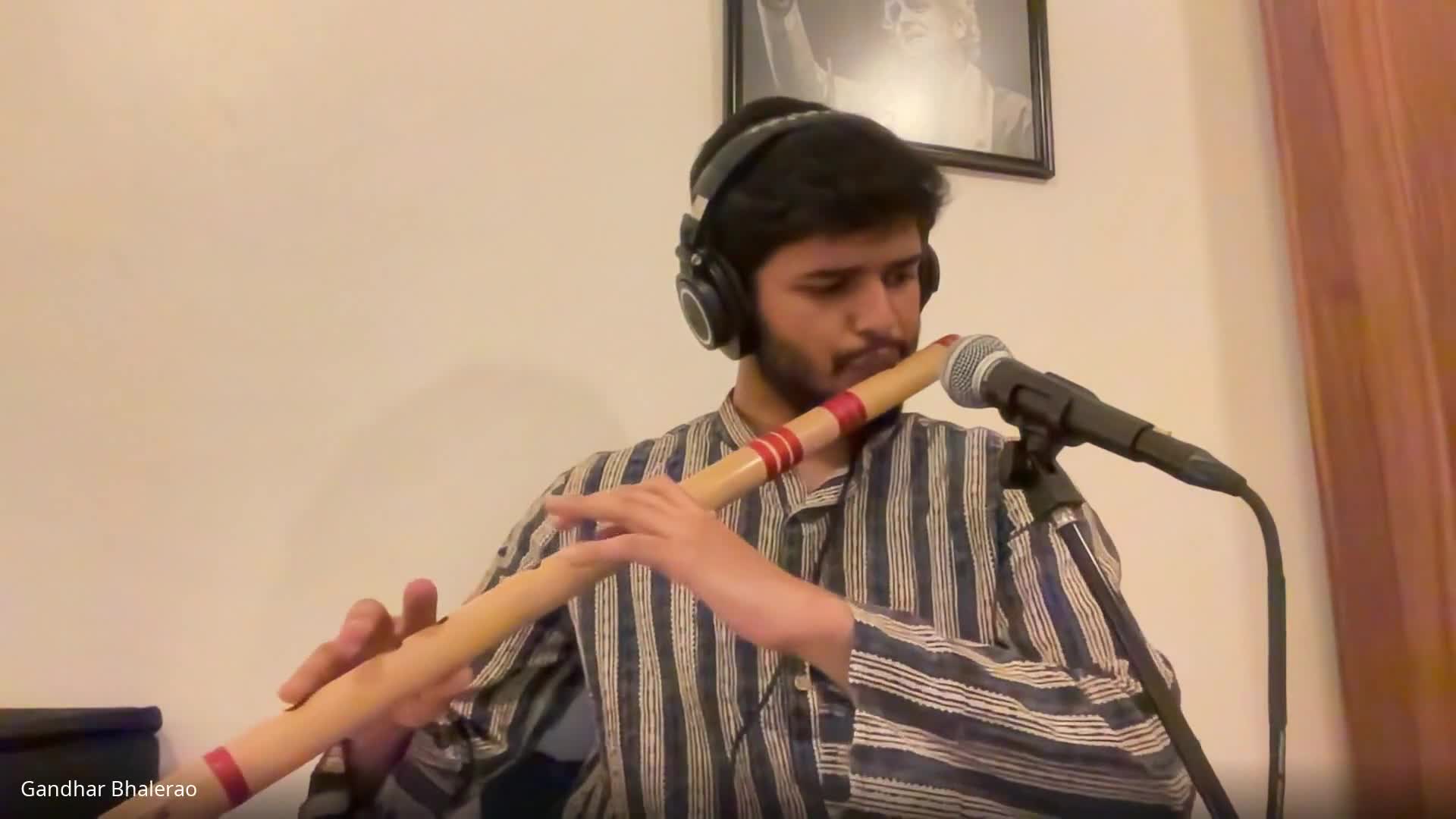
Raag Bihag - Improvising a Bandish
Topics covered
Embracing the Bandish: Initial practice of a bandish may feel technical, but musicians must eventually move beyond mechanics to understand the "poetry" of the composition.
The Role of Contrast: Performance is described as a game of contrasts; just as one would choose clothing colors carefully, a musician must thoughtfully maintain the character and emotion of a composition's lines.
Three Axes of Music: Beyond simple notes and laya, the third axis of performance is emotion.
Developing Skill and Creativity
Balancing Technique and Thought: While students often feel that technical development and creative thinking hinder one another, "thinking" in this context is not an active, analytical process. Music starts naturally flowing when you restrict yourself to repeating the same line.
Muscle Memory: By repeating a line hundreds or thousands of times, the technique becomes muscle memory. Once the technique is "ticked off," the musician gains the liberty to let ideas happen automatically.
Mindful Repetition: The path to finding something new in a raga is through patient, repetitive exploration of a single phrase, tweaking pauses and ornamentation.
Philosophical and Practical Perspectives
Autopilot and Risk: Much of a performance happens on "autopilot," which allows the musician to take calculated risks. True instinct is the culmination of thousands of previous attempts, mistakes, and experiences.
Self-Observation: The process is fundamentally a game of self-observation. It is important for musicians to understand their own level and avoid detrimental comparisons to others.
Listening Habits: To develop a broader perspective, the speaker suggests that flutists listen to vocalists, specifically recommending that individuals listen to female vocalists.